
Open With a Direct Promise
Your first spoken line should reinforce the visual hook and tell the viewer why they should stay.
Use this faceless reels voiceover guide to draft narration that sounds tighter, matches your cuts, and supports stronger short-form retention.
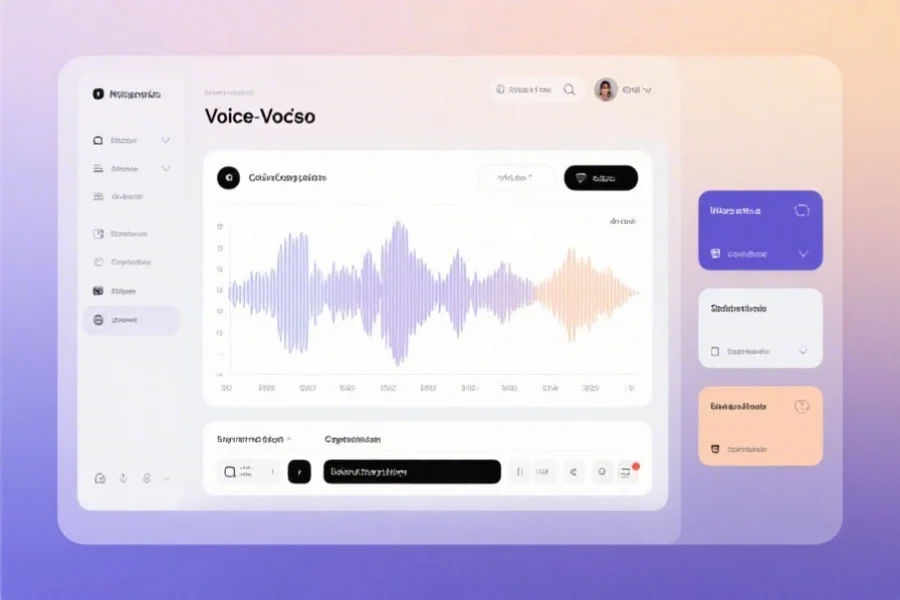
Voiceover Workflow
Use four narration stages to make your voiceover clearer and easier to edit into short-form clips.
Your first spoken line should reinforce the visual hook and tell the viewer why they should stay.
Shorter lines make faceless reels voiceover easier to sync with quick cuts and caption timing.
Avoid overloading each scene with too many narration ideas at once.
End the voiceover with one natural action prompt that fits the rest of the reel.
Use these three checks before you finalize narration for a reel template or campaign.
Match narration tone to niche: calm for education, confident for money, urgent for marketing, emotional for motivation.
Structure your faceless reels voiceover so captions can break cleanly without confusing the viewer.
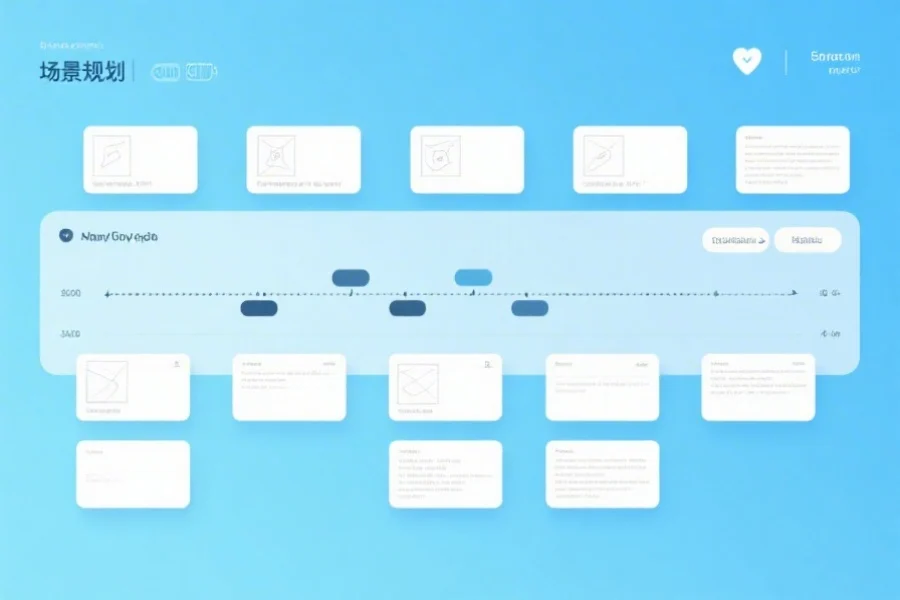
Make sure narration beats line up with visual transitions, proof moments, and CTA timing.
Common questions about narration pacing and structure for short-form reels.
Most short-form script drafts work best when they stay tight enough to support a 20 to 40 second runtime without rushing the viewer.
Yes. AI is useful for generating tone variations, pacing options, and shorter rewrites from one core script.
It should match in meaning and timing, but the on-screen text can be shorter and more visual than the spoken line.
Use AI to turn scripts into clearer narration, cleaner caption timing, and better short-form pacing.